Why Masonry Repair Experts Matter
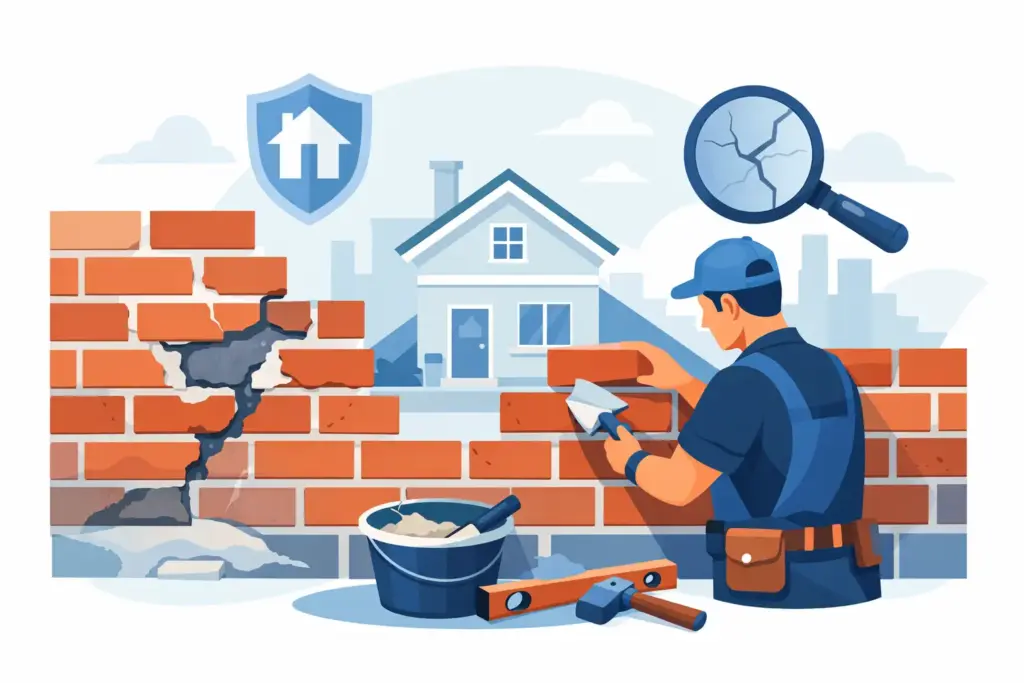
A cracked chimney joint or loose brick wall usually starts small. Then one winter passes, water gets in, mortar breaks down further, and what looked cosmetic starts affecting safety, stability, and cost. That is where masonry repair experts make a real difference - not by covering damage, but by fixing the cause and restoring the structure correctly.
For homeowners, masonry problems rarely stay in one place. Failing mortar can let moisture move deeper into a wall. Damaged brick can shift the load around openings and corners. Steps, porches, and block walls can become trip hazards or weak points long before they fully fail. Fast action matters, but so does choosing a contractor who understands repair methods, matching materials, drainage, and long-term performance.
What masonry repair experts actually do
A good masonry repair job is more than replacing a few broken bricks. The work often starts with identifying why the damage happened in the first place. Water intrusion, freeze-thaw cycles, settlement, age, poor prior repairs, and neglected joints are common causes. If the underlying issue is ignored, the same section can deteriorate again.
Masonry repair experts evaluate the condition of the structure, the extent of the damage, and whether the problem is isolated or part of a larger structural concern. That can include repointing deteriorated mortar joints, rebuilding sections of brick or block, repairing chimney crowns and stacks, correcting leaning or damaged walls, replacing cracked units, and addressing surfaces around stairs, porches, walkways, and foundations.
The best contractors also pay attention to appearance. Brick and mortar repairs should protect the structure, but they should also blend with the existing home as closely as possible. That takes care, product knowledge, and hands-on experience. A repair that stands out for the wrong reason can hurt curb appeal even if the wall is technically sound.
Signs your masonry should not wait
Some repair needs are obvious, like a chimney with missing bricks or front steps that are breaking apart. Others are easier to dismiss until the damage spreads. Mortar joints that look recessed, crumbly, or washed out are early warning signs. So are cracks stair-stepping through brick or block, loose veneer, spalling brick faces, water stains on interior walls near masonry, and sections that bulge or lean.
You may also notice concrete and masonry problems together. For example, failing porch masonry can be tied to cracked steps, settled walkways, or shifting support below. In those cases, patching one visible issue is not enough. The repair has to account for how the surrounding structure is performing.
If a wall, chimney, porch, or stair system feels unstable, the issue moves beyond appearance. Safety becomes the priority. That is especially true around entry points, elevated surfaces, and load-bearing sections of the home.
Why experience matters in masonry repair
Not every contractor approaches masonry with the same level of skill. Repair work is often more demanding than new installation because the contractor has to work with existing conditions, aging materials, and hidden damage. Matching mortar strength, selecting compatible brick, rebuilding without creating weak transitions, and keeping lines clean all require judgment that comes from field experience.
This is where homeowners can save money by not chasing the lowest number. Cheap patchwork often fails early because it treats symptoms instead of the cause. A rushed repair may trap moisture, use the wrong mortar, or leave unstable material in place. It can look fine for a few months and then open up again.
Experienced masonry repair experts know when a localized repair is enough and when a partial rebuild is the smarter investment. They can also explain the trade-offs clearly. In some cases, preserving original material makes sense. In others, replacing a larger section provides better strength, cleaner appearance, and longer service life.
Common repair areas around the home
Chimneys are one of the most common trouble spots because they take constant weather exposure from all sides. Mortar joints wear out, caps crack, bricks absorb water, and freeze-thaw damage accelerates the decline. A chimney that is ignored too long can become a leak source or a falling masonry hazard.
Porches and steps also see heavy wear. Water, deicing products, movement, and age can break down both masonry and concrete surfaces. Repairs here need to focus on stable support and safe use, not just surface appearance. A front entry should feel solid underfoot and look finished, not patched together.
Foundation walls and block walls can develop cracking, joint failure, and moisture-related damage over time. Some issues are minor and repairable. Others point to drainage or settlement problems that need a broader fix. That is why a proper assessment matters before work begins.
Brick walls and veneer surfaces often show aging through loose joints, cracked brick faces, and areas where prior repairs do not match. Repointing or selective rebuilding can extend life significantly when done at the right time.
What to expect from professional masonry repair experts
Homeowners should expect a clear process, not guesswork. A reliable contractor starts by looking closely at the damaged area and the surrounding structure. The goal is to identify what failed, why it failed, and what repair method will hold up best. That conversation should be straightforward and honest.
You should also expect practical recommendations. Sometimes the right answer is a focused repair. Sometimes it is rebuilding a section before the damage reaches adjacent materials. A dependable contractor will explain what is necessary, what is optional, and where delaying the work could create more cost later.
Workmanship also matters on the finish side. Clean joint lines, consistent mortar work, proper alignment, and careful material matching are part of a quality repair. Good masonry should look solid because it is solid.
For many homeowners, responsiveness matters just as much. When masonry is deteriorating around a chimney, entry, or structural wall, waiting days for a callback adds stress. Working with a contractor who communicates clearly and shows up ready to handle the job brings peace of mind from the start.
Repair now or replace later?
This is where the answer depends on the condition of the structure. If damage is limited to mortar joints, isolated brick failure, or a small section affected by moisture, repair can be the most cost-effective option. Done correctly, it restores strength and appearance without the expense of full replacement.
If the masonry has widespread movement, deep water damage, major settlement, or repeated failed patches, replacement or partial rebuilding may be the better long-term choice. Spending less today does not help if the same area has to be reopened next season.
That is why a serious contractor does not sell every project the same way. The right recommendation should match the age of the structure, the severity of the damage, and your goals for the property.
Choosing masonry repair experts for your property
Look for a contractor with real masonry experience, not just general labor capacity. Ask whether they handle brick repair, repointing, chimney repair, block work, and structural masonry issues. It also helps to choose a company that understands related concrete work, since many exterior repair projects overlap at stairs, porches, walkways, and foundations.
Dependability should be part of the decision. Homeowners want clear communication, fair pricing, and work that is backed with confidence. A workmanship warranty says a lot about how a contractor views quality. So does their willingness to explain the job in plain terms instead of hiding behind technical language.
Sampson Concrete & Masonry serves homeowners who need that kind of straightforward service - repairs that are built for strength, finished cleanly, and handled by people who understand both structure and appearance.
When masonry starts failing, the safest move is usually the simplest one: deal with it before water, weather, and time turn a manageable repair into a much bigger project.