Concrete Stairs Repair That Lasts
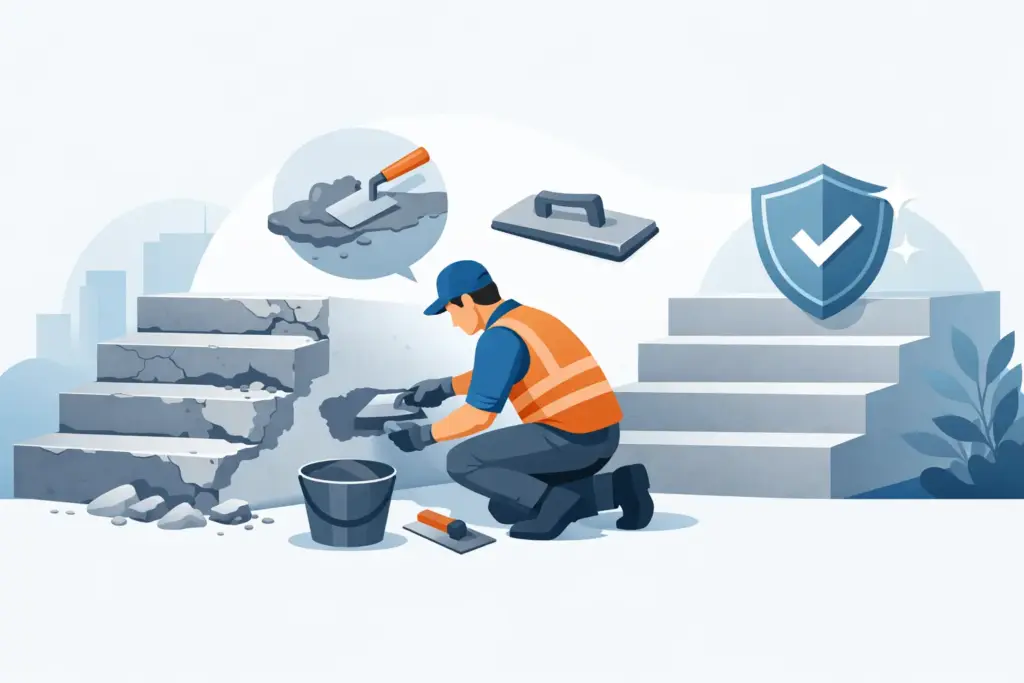
A cracked step is easy to ignore until someone catches a toe on the edge or water gets into the concrete and makes the damage worse. Concrete stairs repair is not just about patching a rough spot. It is about restoring safe footing, protecting the structure underneath, and keeping your entry or exterior access looking clean and solid.
For many homeowners, the first question is simple: can this be repaired, or does it need to be replaced? The answer depends on the kind of damage, how deep it runs, and whether the stairs are failing cosmetically or structurally. Small chips, surface spalling, and isolated cracks can often be repaired effectively. When steps are shifting, sinking, separating from the landing, or breaking apart at the nosing, a more serious rebuild may be the smarter investment.
What causes concrete stair damage
Concrete stairs take a lot of abuse. They handle foot traffic, moisture, freeze-thaw cycles, deicing salts, and seasonal movement. Over time, even well-built steps can start to show wear. If the original mix was weak, the base was poorly compacted, or water was allowed to sit against the concrete, deterioration can show up much sooner.
Surface flaking is one of the most common problems. This usually starts when water enters the top layer of the concrete, freezes, and forces the surface apart. Cracks are another common issue, and not all cracks mean the same thing. A hairline crack may be mostly cosmetic, while a wider crack that runs through the body of the step can point to movement or internal stress.
The edges of steps often break down first because they take direct impact and are more exposed. If the front edge is crumbling, that is more than a visual problem. Stair nosings help define each step, and once that edge is compromised, the stair becomes less safe to use.
When concrete stairs repair makes sense
Repair is usually the right move when the main body of the stairs is still sound. If the steps are level, attached properly, and not showing major settlement, a skilled repair can extend their life and improve the appearance significantly.
This can include filling cracks, rebuilding chipped edges, resurfacing worn treads, and correcting localized damage before it spreads. In many cases, homeowners wait too long because the issue looks minor at first. That delay often turns a manageable repair into a larger replacement project.
A good repair should not be treated like a quick cosmetic cover-up. The damaged material needs to be removed properly, the area has to be cleaned and prepared, and the repair product must bond well with the existing concrete. If those steps are skipped, the patch may look fine for a short time and then fail under traffic and weather.
Signs the stairs may need replacement instead
There are limits to what a repair can do. If multiple steps are loose, badly cracked through their full depth, or pulling away from the porch or foundation, replacement may be the safer option. The same goes for stairs with severe settlement or a failing base underneath.
Repairs on unstable stairs tend to be temporary because the underlying problem remains. If the structure is moving, new patch material will move with it and usually crack again. In that situation, rebuilding the stairs gives you a chance to correct the base, improve drainage, and create a stronger finished result.
This is where experience matters. A contractor should be honest about whether a repair is worth doing or whether replacement will save you money over time. Homeowners usually appreciate a straightforward answer, especially when safety is involved.
How professional concrete stairs repair is done
The process starts with evaluating the full condition of the stairs, not just the visible damage. That means checking for movement, hollow spots, loose material, drainage issues, and wear patterns. Once the scope is clear, all failed or weak concrete needs to be removed back to sound material.
From there, the surface is prepared so the repair can bond properly. Depending on the damage, this may involve bonding agents, repair mortars, formwork for rebuilding edges, or resurfacing products designed for exterior concrete. The goal is not simply to fill damaged spots. The goal is to create a durable repair that matches the stair profile, holds up under use, and sheds water correctly.
For stairs with worn treads or multiple shallow defects, resurfacing can restore a cleaner, more uniform finish. For deeper damage at corners or front edges, rebuilding the shape of the step is often necessary. On older stairs, it may also make sense to address surrounding areas like the landing, walkway connection, or sidewalls so the repair looks integrated instead of pieced together.
Why DIY concrete stairs repair often falls short
Home improvement stores sell plenty of patch products, and some small touch-ups can be handled by handy homeowners. The problem is that exterior stairs are a high-traffic safety surface. A patch that does not bond correctly or is applied over weak concrete will not last long.
Matching the slope, height, edge shape, and finish of a stair takes more than filling a crack with cement. Moisture conditions, temperature, cure time, and product selection all matter. If the repair is too thin, too weak, or poorly prepped, it can break loose and leave the stair worse than before.
There is also the question of why the damage happened in the first place. If water runoff is hitting the stairs, if the base is settling, or if the concrete was installed without enough strength, patching the symptom will not solve the cause. Professional repair focuses on both.
Safety, curb appeal, and property value
Damaged steps create an immediate impression. Even when the rest of the property is in good shape, cracked or broken stairs make the entrance feel neglected. More importantly, they create a tripping hazard for family members, guests, tenants, and delivery traffic.
Concrete stairs repair improves safety first, but it also helps protect property value. Clean, solid steps support the overall appearance of the home and show that the exterior has been maintained properly. That matters whether you plan to stay for years or want to keep the property market-ready.
For some homeowners, appearance is the trigger for calling. For others, it is a loose edge or a growing crack. Either reason is valid. The right repair should address both the function and the finish.
Choosing the right contractor for concrete stairs repair
This is not a job to hand off to the cheapest bid without questions. Ask how the contractor evaluates repair versus replacement, what preparation is included, and how the repaired area will hold up through weather and daily use. A qualified contractor should be able to explain the repair method clearly and set realistic expectations.
It also helps to work with a company that understands the surrounding concrete and masonry conditions, especially when the stairs tie into a porch, foundation wall, or walkway. The repair should look intentional and perform as part of the whole structure, not like an isolated patch.
Sampson Concrete & Masonry works with homeowners who want more than a quick fix. The focus is on safe, durable repairs and clean finished work that protects the investment you have in your property.
Don’t wait for small stair damage to spread
Concrete does not heal on its own. Once cracking, spalling, or edge breakdown starts, water keeps working its way in and traffic keeps wearing the area down. What starts as a modest repair can become a full rebuild if it is left too long.
If your exterior steps are cracked, crumbling, uneven, or simply showing their age, getting them looked at early gives you more options. A solid repair done at the right time can restore strength, improve appearance, and help your stairs stay safe and serviceable for years to come.