Guide to Brick Wall Restoration
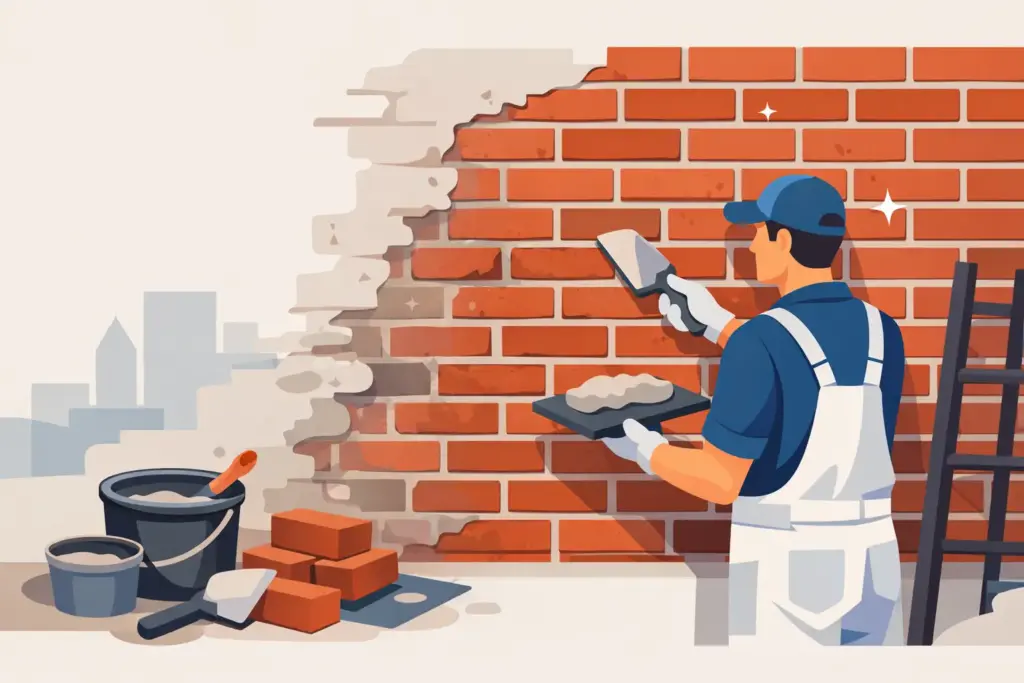
A brick wall usually tells you when it needs attention. Mortar starts falling out in sandy bits. Bricks begin to flake, crack, or lean. Maybe you notice white staining, water getting into the basement, or a chimney that does not look as straight as it used to. This guide to brick wall restoration is built for property owners who want to understand what is failing, what can be repaired, and what kind of work actually lasts.
Brick restoration is not just a cosmetic project. In many cases, it is about stopping water intrusion, preserving structural strength, and protecting the value of the home. A wall that looks only slightly worn on the surface can have deeper issues behind it, especially if moisture has been getting in for years.
What brick wall restoration actually includes
Brick wall restoration can mean several different things depending on the age of the wall, the extent of damage, and whether the brick is structural or decorative. In some homes, restoration is mostly about repointing mortar joints that have weathered away. In others, it involves replacing failed bricks, rebuilding sections that have shifted, correcting drainage problems, or repairing movement caused by settling.
That distinction matters. A small crack in mortar is very different from a bulging wall. One is often a maintenance repair. The other can point to structural movement and should be treated seriously.
A proper restoration plan usually starts with diagnosis, not patchwork. If the source of the damage is ignored, the same problem often comes back. Water is the usual driver. It gets into open joints, freezes, expands, and slowly breaks the wall apart. Poor drainage, leaking gutters, hard modern mortar on older brick, and years of neglect all make the damage worse.
Signs your brick wall needs restoration
Some warning signs are obvious. Others are easy to miss until the repair becomes more involved and more expensive.
Mortar loss is one of the clearest early indicators. If joints are receding, crumbling, or missing altogether, the wall is no longer sealed the way it should be. Spalled brick is another common issue. That means the face of the brick is popping, flaking, or breaking apart, usually because moisture has been trapped inside.
Cracks deserve a closer look. Hairline cracks in mortar may be minor. Stair-step cracking through mortar joints or across bricks can suggest movement. Bulging, leaning, or separation from nearby walls should never be treated as a simple cosmetic issue.
You may also see efflorescence, which is the white powdery residue left behind when moisture moves through masonry and evaporates. Efflorescence itself is not the structural problem, but it is a strong clue that water is active in the wall.
Guide to brick wall restoration: start with the cause
The most effective guide to brick wall restoration always starts with one question: why is the wall failing in the first place?
If the issue is age and natural mortar wear, repointing may be enough. If water is running off a roof edge onto the wall, flashing or gutter corrections might be just as important as the masonry repair. If a retaining or foundation wall is moving because of pressure or poor drainage, rebuilding part of the wall may be the only reliable fix.
This is where homeowners can lose money by choosing the quickest-looking solution. Smearing fresh mortar over damaged joints, painting over failing brick, or sealing in moisture can make the wall look better for a short time while accelerating hidden deterioration underneath.
A good contractor looks at the full assembly. That includes the bricks, mortar joints, drainage conditions, nearby concrete, coping, chimney caps, flashing, and any signs of settlement.
Common brick wall restoration methods
Repointing is one of the most common restoration services. This involves removing deteriorated mortar from the joints and installing new mortar that matches the wall in strength, appearance, and profile. Done correctly, repointing improves water resistance and helps hold the wall together. Done poorly, especially with mortar that is too hard, it can damage the surrounding brick over time.
Brick replacement is often needed when individual units are cracked, loose, or severely spalled. The goal is to remove only the failed material without disturbing sound surrounding masonry. Matching brick size, texture, and color matters more than many people expect. A structurally solid repair that looks patched together still hurts curb appeal.
For walls with larger movement issues, partial rebuilds may be necessary. This can involve taking down and reconstructing an unstable section, resetting brickwork, and correcting the underlying cause before rebuilding. Chimneys, garden walls, porch walls, and older facades commonly need this level of work when deterioration has gone too far for spot repair.
Cleaning can also be part of restoration, but it has to be handled carefully. Aggressive pressure washing or the wrong chemicals can scar the brick face and push water deeper into the wall. Masonry cleaning should support the repair, not create new damage.
What affects cost and scope
Brick wall restoration costs vary because the scope can range from routine maintenance to structural correction. The size of the wall, access conditions, extent of mortar failure, brick matching needs, and whether the wall is load-bearing all play a role.
Height matters too. A small garden wall is simpler than a second-story exterior wall or chimney. If scaffolding is required, labor and setup increase. If the wall has moisture issues tied to flashing, grading, or adjacent concrete surfaces, the project may involve more than masonry alone.
There is also a trade-off between spot repairs and broader restoration. Spot repairs cost less upfront, but if deterioration is widespread, a piecemeal approach can become inefficient. In many cases, restoring the full affected section is the better investment because it creates a more uniform, longer-lasting result.
Can you restore a brick wall yourself?
Minor maintenance, like removing light surface staining or monitoring small changes, may be manageable for a homeowner. True restoration is different. Matching mortar properly, removing failed joints without damaging the brick, and identifying structural movement all require experience.
The biggest risk with do-it-yourself brick repair is using the wrong materials. Modern bagged mortar is not always appropriate, especially for older homes. Mortar should generally be softer than the brick so the joint takes the weathering instead of the masonry unit itself. If the mortar is too hard, the brick can start breaking before the joint does.
There is also the issue of appearance. Uneven joints, poor brick matching, or visible patching can make the repair stand out for the wrong reasons. On front-facing walls, entry columns, chimneys, and foundation areas, workmanship matters just as much as material choice.
When to call a masonry contractor
If the wall is leaning, bulging, cracking through multiple areas, or allowing water into the home, it is time to bring in a professional. The same goes for deteriorated chimneys, foundation walls, retaining walls, and any masonry near doors or windows where movement can spread to other parts of the structure.
A qualified contractor should explain not only what needs to be repaired, but why it failed and how the fix will prevent repeat damage. That is the difference between a temporary patch and restoration that holds up through freeze-thaw cycles, rain, and normal settlement.
For homeowners, the value is not just in having the wall repaired. It is in knowing the work is being handled with the right methods, the right materials, and a clear standard for durability and finish. That is especially important when the masonry is part of the home's structure, not just its exterior appearance.
At Sampson Concrete & Masonry, that practical mindset is central to the work. The goal is not to oversell a repair. It is to correct the problem properly, protect the property, and leave the wall looking clean and built to last.
How to get the best result from brick wall restoration
Start early. Brick walls rarely fail all at once. They deteriorate in stages, and early intervention gives you more repair options. It also keeps moisture from reaching deeper materials where damage becomes more expensive.
Ask questions about the repair approach. Will the mortar be matched to the existing wall? Are damaged bricks being replaced or just coated over? Is the contractor addressing the source of moisture or movement? Straight answers matter.
Look for balance between strength and finish. A good masonry repair should be structurally sound, but it should also blend with the surrounding wall as naturally as possible. Clean execution is part of quality workmanship, not an extra.
Brick restoration is one of those jobs where waiting rarely saves money. If your wall is showing signs of wear, movement, or water damage, getting it assessed now gives you a better chance of preserving the structure instead of rebuilding more of it later.