How to Repair Concrete Cracks the Right Way
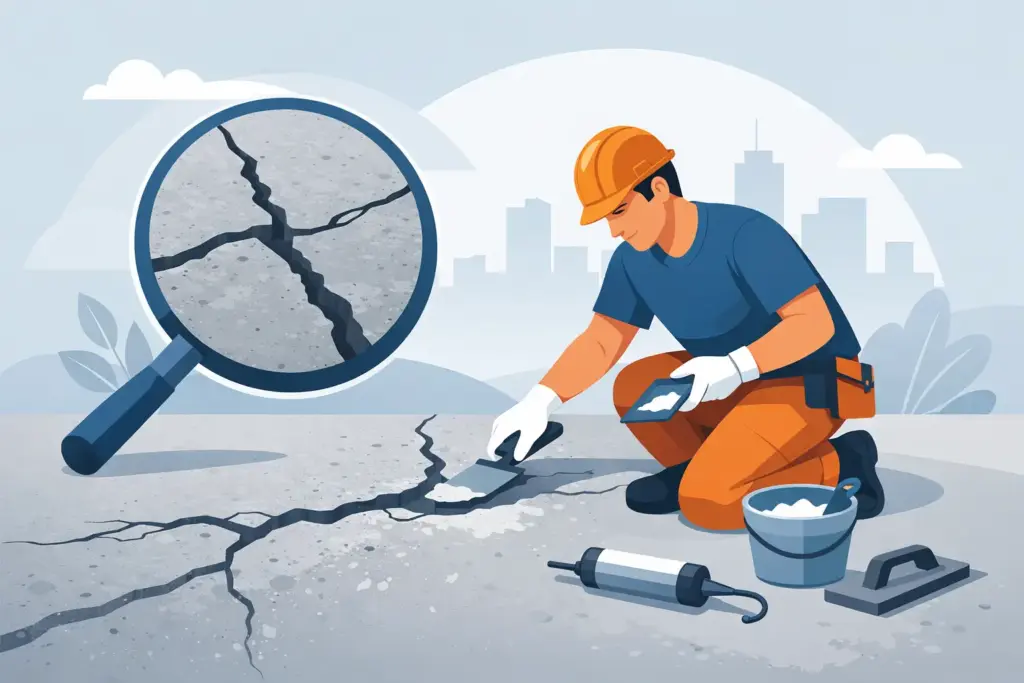
A small crack in concrete rarely stays small for long. What starts as a hairline split in a walkway, porch, driveway, or basement floor can open up with freeze-thaw cycles, water intrusion, and repeated traffic. If you are wondering how to repair concrete cracks, the first step is not grabbing filler off a shelf. It is figuring out what kind of crack you have, what caused it, and whether the concrete is still structurally sound.
That distinction matters. Some cracks are cosmetic and can be sealed before they get worse. Others are warning signs of settlement, movement, poor drainage, or failing support below the slab. A clean repair should improve appearance, block water, and help protect the life of the concrete. A rushed patch can hide the problem for a season, then fail when conditions change.
How to Repair Concrete Cracks Based on the Type
Not every crack gets the same repair. Hairline shrinkage cracks are usually the least serious. These often show up as concrete cures and dries. If they are narrow, stable, and not spreading, they can often be sealed with the right repair material.
Wider cracks need closer attention. If the edges are still level and the slab is not sinking, a crack filler or resurfacing repair may be enough. If one side sits higher than the other, if sections are separating, or if the crack keeps reopening, that points to movement. In that case, the repair is not just about filling the gap. The underlying cause has to be addressed.
Location also changes the approach. A crack in a basement floor is different from a crack in a front step. Horizontal cracking in a retaining wall or foundation area deserves more caution than a narrow surface crack in a patio. Concrete around stairs, entry paths, and driveways also affects safety, so trip hazards should never be treated as cosmetic only.
Start With a Real Inspection
Before any repair begins, inspect the crack carefully. Measure the width, check the depth if possible, and look at the surrounding area. If water pools nearby, if the slab has settled, or if there are multiple branching cracks, the issue may go beyond surface damage.
Look for signs such as crumbling edges, exposed aggregate, scaling, or spalling. These can mean water has been getting into the concrete for some time. In colder climates, freeze-thaw pressure often turns minor cracking into surface breakdown. If the base under the concrete was poorly compacted or washed out over time, patching alone will not hold up.
A practical rule is this: if the crack is narrow, stable, and the slab is level, repair may be straightforward. If the slab is moving, sinking, heaving, or breaking apart, it is time for a more serious evaluation.
Tools and Materials That Usually Work
For basic crack repair, most homeowners will need a wire brush, chisel or grinder for opening loose edges, a shop vacuum, and a concrete crack filler or patch product suited to the crack size. Caulk-style concrete sealants work for some narrow cracks. Vinyl patch compounds or polymer-modified repair mortars are often better for wider surface repairs.
The key is matching the product to the problem. Thin liquid fillers can work well in narrow cracks, but they are not meant to rebuild broken concrete edges. Thick patch materials can rebuild damaged sections, but they need a clean, sound surface to bond properly. Using the wrong material is one of the main reasons repairs fail early.
Surface Prep Decides the Outcome
The repair itself is usually less complicated than the prep. Dirt, dust, loose concrete, old filler, and moisture all reduce bond strength. If the crack is filled over debris, the patch may look fine at first and then release quickly.
Start by removing anything loose or weak around the crack. That may mean brushing, chiseling, or grinding the area slightly to create a clean edge. Vacuum out all dust and debris. If the product calls for a dry surface, give it enough time. If it requires a damp surface, follow those instructions closely. Concrete repair products are not forgiving when prep is skipped.
This is also the stage where a good contractor earns the difference. Clean lines, proper prep, and the right repair depth make a repair last longer and look better. That matters when the concrete is part of the front entrance, driveway, or any visible area tied to curb appeal.
Filling the Crack Properly
Once the area is prepared, apply the repair material based on the crack width and depth. For narrow cracks, the goal is usually to seal the opening and keep out water. For larger cracks or damaged sections, the goal is to restore surface continuity and support.
Work the material fully into the crack instead of just coating the top. Air pockets and shallow fills lead to failure. Smooth the surface so it sits flush with the surrounding concrete or follows the finish pattern as closely as possible. Some repairs may need layering if the crack is deep.
Curing matters too. Many people repair concrete and then walk or drive on it too early. Even fast-setting products need the right cure time to reach strength. If the surface is exposed to sun, rain, or traffic before it is ready, the bond can weaken and the repair may crack again.
When a DIY Concrete Crack Repair Makes Sense
A homeowner can often handle a minor repair if the crack is small, the slab is level, and there is no sign of ongoing movement. Common examples include hairline patio cracks, narrow sidewalk cracks, or a stable garage or basement floor crack that only needs sealing.
That said, DIY repairs are best when expectations are realistic. A store-bought patch can help stop water intrusion and improve appearance, but it will not fix settlement, drainage failure, or a poor original installation. If the crack is in a high-traffic area or part of a structural element, the cost of doing it twice is usually higher than getting it assessed properly the first time.
When to Call a Contractor
If the crack is wider than a quarter inch, if it keeps growing, or if one side of the slab is higher than the other, bring in a professional. The same goes for cracked stairs, porch slabs, driveways with sinking sections, foundation-adjacent concrete, or any area where water is getting underneath.
A contractor can determine whether the repair should involve crack sealing, patching, slab replacement, drainage correction, or structural reinforcement. Sometimes the right answer is not repair at all. If the concrete has widespread deterioration, multiple failed patches, or underlying base failure, replacement may offer better long-term value.
That is especially true for visible exterior surfaces. A driveway or front walkway needs to do more than hold together. It should drain properly, stay safe underfoot, and add to the appearance of the property. A patch that stands out or fails after one winter is not much of a fix.
What Causes Concrete Cracks in the First Place
Concrete cracks for several reasons, and many jobs involve more than one. Shrinkage during curing is common. So are seasonal expansion and contraction, heavy loads, and natural settling. Water is often the bigger problem. Poor drainage can erode the base below the slab, weaken edges, and create repeated freeze-thaw stress.
Tree roots, deicing salts, and weak installation practices also contribute. If the slab was poured without proper thickness, reinforcement, joint spacing, or base preparation, cracking is more likely. That does not mean every crack signals bad work, but it does mean repairs should account for the real cause if you want them to last.
How to Make Repairs Last Longer
The best repair is part of a bigger maintenance mindset. Keep water moving away from the concrete. Make sure downspouts are not discharging next to slabs or foundations. Address low spots where water sits. Seal repaired areas when appropriate, and do not ignore early signs of wear.
If a crack returns, that is useful information. It usually means the slab is still moving or water is still finding a way in. Repeating the same surface patch without correcting the cause only delays the larger repair.
For homeowners who want dependable results, this is where experienced trade work matters. Sampson Concrete & Masonry handles concrete repairs with the same focus we bring to new installations: sound prep, clean execution, and repairs built to hold up under real conditions.
Concrete does not need to be perfect to perform well, but it does need attention before small damage turns into a bigger and more expensive problem. If a crack looks minor, treat it early. If it looks questionable, get it looked at before weather and traffic make the decision for you.