Foundation Crack Repair: What Homeowners Should Do
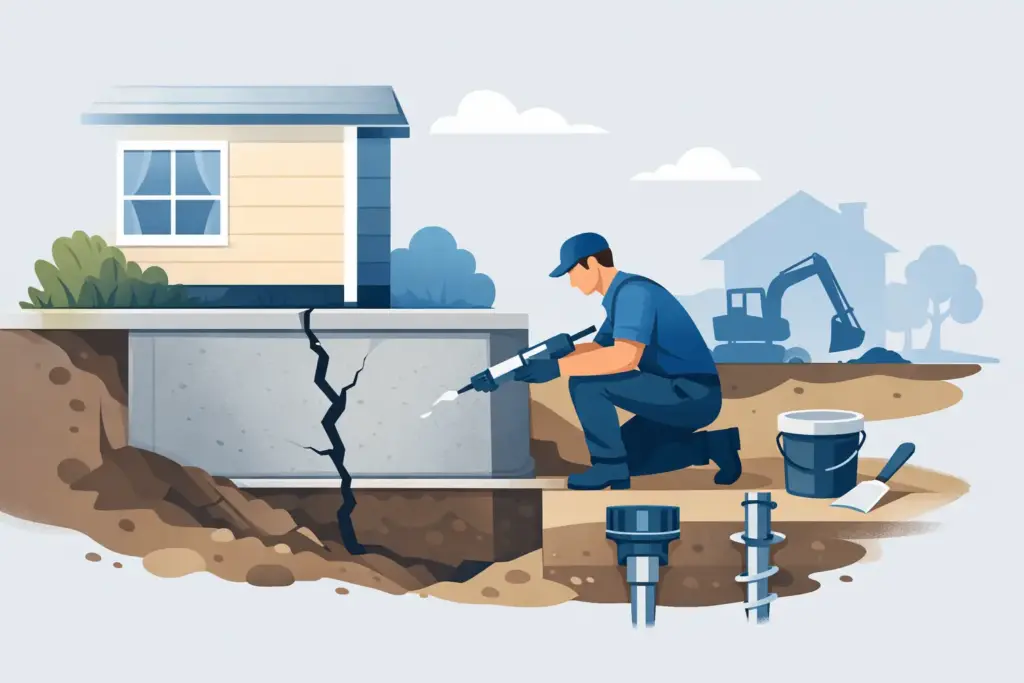
A crack in the foundation is easy to ignore when it looks small. Then the basement starts smelling damp, a wall begins to bow slightly, or a floor upstairs feels just a little off. Foundation crack repair is one of those jobs that gets more expensive the longer it waits, especially when water, settlement, or frost movement is part of the problem.
For homeowners, the hard part is not spotting a crack. It is knowing what that crack means. Some are cosmetic. Some are early warnings. And some tell you the structure is under stress and needs professional repair before the damage spreads into walls, floors, masonry, and finishes.
What foundation cracks usually mean
Concrete and block foundations crack for different reasons, and the pattern matters. A straight hairline crack in poured concrete can happen as the material cures and shrinks. That does not always mean the home is in danger. A wider crack, a crack that grows over time, or one that leaks during rain is a different story.
Soil pressure is one of the biggest causes. When the ground around a home expands and contracts with moisture and temperature changes, it pushes against the foundation. Poor drainage makes that pressure worse. Water collecting near the house can weaken the soil, increase hydrostatic pressure, and create the conditions for cracking, bowing, and movement.
Settlement is another common factor. If part of the home sinks more than the rest, the foundation can crack under uneven load. In block foundations, that stress may show up as stair-step cracks along mortar joints. In poured concrete, you may see vertical, diagonal, or offset cracking. Not every settlement crack means major structural failure, but it should never be brushed off without a proper look.
When foundation crack repair should happen right away
There are a few signs that call for prompt action. If the crack is wider than about one-eighth of an inch, if one side is pushed inward or outward, or if the crack is actively leaking, it needs attention. The same goes for cracks that keep getting longer, repeat in multiple areas, or show up with sticking doors, sloping floors, or gaps around windows and trim.
Horizontal cracks are especially concerning because they can point to lateral pressure from saturated soil outside the wall. Bowing walls, shifting block, and recurring water intrusion also move the issue from simple patch work into structural repair territory.
This is where experience matters. A surface seal alone will not solve a pressure problem. If the wall is moving, the cause has to be addressed along with the visible crack. Otherwise, the crack often returns, and the repair money gets spent twice.
Types of foundation crack repair
The right repair depends on the foundation type, the crack pattern, and whether the issue is cosmetic, waterproofing-related, or structural.
Epoxy and polyurethane injection
For poured concrete foundations, crack injection is a common repair method. Epoxy injection is generally used when the goal is to bond the concrete back together. Polyurethane injection is often used when water intrusion is the main concern because it expands to fill the crack and help block moisture.
This method can work very well on the right crack. It is not a cure-all. If the foundation is still moving, injection alone may not hold up long term. It works best when the crack is stable and the structure itself is otherwise sound.
Crack sealing and waterproofing
Some cracks need exterior excavation and sealing, especially when water is entering through foundation walls below grade. In those cases, the repair may involve exposing the wall, applying waterproofing materials, improving drainage, and correcting grading around the home.
This approach costs more than a quick interior fix, but it addresses the source of the water. For many homeowners, that is the smarter investment when repeated leaks or damp basement conditions are involved.
Structural reinforcement
When walls are bowing or cracks point to lateral pressure and movement, reinforcement may be required. Depending on the condition, that can involve wall anchors, bracing systems, or rebuilding damaged sections. Block foundations sometimes need repointing, partial replacement, or more extensive structural correction if mortar joints have failed and movement has progressed.
Not every cracked wall needs reinforcement, but when it does, patching the surface is not enough. The structure has to be stabilized first.
Underpinning and settlement repair
If the crack is tied to sinking or uneven settlement, the repair may involve underpinning or pier installation to support the foundation and transfer load to more stable soil. This is a more specialized repair, but in serious settlement cases it is often the only way to stop ongoing movement.
It is a bigger job, but it protects the rest of the house from continued stress. Floors, walls, doors, masonry, and utilities can all be affected when settlement is left unresolved.
Why DIY foundation crack repair often falls short
Homeowners are often tempted to fill a crack with hydraulic cement or a store-bought sealant and call it done. For a small cosmetic crack in a non-structural area, that may improve appearance for a while. But for most foundation cracks, DIY repair treats the symptom, not the problem.
The risk is not just that the crack reappears. The real risk is missing signs of active movement, water entry, frost pressure, or settlement. A crack that looks minor from the inside may connect to larger exterior drainage or soil issues that need correction.
There is also the finish factor. Foundation repairs should be clean, durable, and appropriate to the structure. Sloppy patching can trap moisture, fail early, or leave the surface looking worse than before. Good repair work protects the home and respects the appearance of the property.
What a professional inspection should look for
A proper inspection goes beyond measuring the crack itself. The contractor should look at crack direction, width, displacement, moisture conditions, drainage around the home, grading, downspout discharge, nearby hardscaping, and any signs of movement inside the house.
This full picture matters because two cracks that look similar can have very different causes. One may be old and stable. The other may be active and tied to poor drainage or shifting soil. The repair plan should match the actual condition, not just the visible line in the wall.
For homeowners, this is where clear communication matters. You should understand what caused the crack, what repair is recommended, and whether the goal is sealing, waterproofing, stabilization, or all three.
How to prevent future foundation cracks
Not every crack can be prevented, but many can be reduced with better water control and property maintenance. The first priority is moving water away from the house. Downspouts should discharge well away from the foundation, and the ground should slope away rather than funnel water back toward the wall.
Gutters need to stay clear. Low areas near the foundation should be corrected. If patios, walkways, or driveways trap runoff against the home, that should be addressed as part of the bigger drainage picture. In cold climates, freeze-thaw cycles only make existing weaknesses worse.
Tree roots, poor excavation backfill, and neglected masonry joints can also contribute depending on the property. Prevention is rarely about one single fix. It is about reducing the conditions that create pressure and moisture around the foundation in the first place.
Choosing the right contractor for foundation crack repair
This is not the job to hand off to the cheapest bidder with a caulk gun. Homeowners should look for a contractor with real structural repair experience, clear scope of work, and a reputation for quality execution. If the repair includes masonry, concrete, waterproofing, or wall stabilization, the contractor should be comfortable handling the full issue rather than only one narrow piece of it.
That matters because foundation problems do not always stay in one lane. A crack may involve concrete repair, drainage correction, block work, and finish restoration. Hiring a contractor who understands how those parts work together usually leads to a stronger, longer-lasting result.
Sampson Concrete & Masonry approaches these repairs the way they should be handled - with a focus on structural integrity, clean workmanship, and solutions that protect the value of the property, not just cover up the damage.
The cost question homeowners always ask
Foundation crack repair costs vary widely because the cause matters more than the crack alone. A stable poured concrete crack that needs injection is very different from a leaking block wall under pressure or a settling corner that needs support. Access, excavation needs, wall type, drainage conditions, and repair depth all affect pricing.
That is why honest assessment matters. A fair quote should explain what is being repaired and why. The lowest number is not always the best value if it skips the actual source of the problem.
If you have noticed a foundation crack, the best next step is not to panic and not to wait. Get it looked at while the repair is still manageable. A sound foundation keeps the rest of the house doing its job, and that is worth protecting.