Brick Repair for House Walls and Exteriors
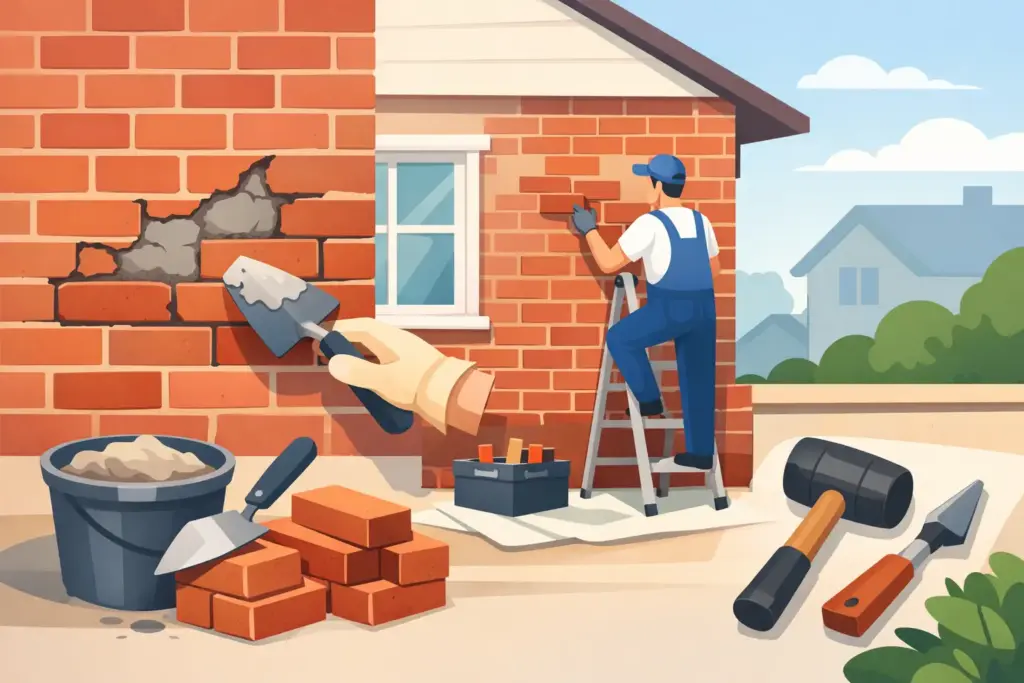
A cracked brick near the front step or a stair-step crack running along an exterior wall usually starts as a small cosmetic issue. Then moisture gets in, freeze-thaw cycles do their work, and what looked minor turns into loose brick, failing mortar, and a more expensive repair. That is why brick repair for house exteriors should be handled early and handled correctly.
Brick is durable, but it is not maintenance-free. Over time, mortar joints wear down, bricks absorb water, settlement causes movement, and older repairs can fail if the wrong materials were used. For homeowners, the real question is not just how to fix damaged brick. It is how to protect the home’s structure, appearance, and long-term value without paying for repairs twice.
Why brick repair for house exteriors matters
Brick does more than improve curb appeal. It helps shield the home from weather, supports stable wall systems in some applications, and protects underlying framing or blockwork from moisture exposure. When the brick surface starts to fail, the risk is not limited to appearance.
Damaged mortar joints let water move deeper into the wall. Spalled bricks can loosen and create safety concerns around entrances, walkways, chimneys, and porches. If cracking is tied to movement in the foundation or support structure, surface patching alone will not solve the problem.
This is where experience matters. A proper repair looks at the full condition of the masonry, not just the most visible crack. A clean finish is important, but durability comes first.
Common signs your brick needs attention
Some damage is obvious. Other signs are easy to miss until the problem spreads.
Cracked bricks, flaking brick faces, crumbling mortar, gaps around windows and doors, bulging sections of wall, and white staining from moisture are all warning signs. You may also notice brick steps shifting, chimney joints opening up, or isolated areas where previous patch material no longer matches or is pulling away.
Not every crack means major structural trouble. Hairline mortar cracks can come from age and weathering. On the other hand, stair-step cracking, displacement, or repeated cracking after a recent repair often points to movement underneath. That is the difference between a simple masonry repair and a problem that needs a broader structural solution.
What causes brick damage
The most common cause is water. Once moisture enters through weak joints or damaged brick faces, freezing weather expands that moisture and forces the material apart. Over enough seasons, sound masonry starts to break down.
Settlement is another major factor. If the footing, foundation, porch, or stair support shifts, the brick above it reacts. This often shows up as diagonal cracks, separated joints, or brick pulling away from adjacent surfaces.
Age also plays a role. Older mortar naturally weakens over time, especially if it has been exposed to years of weather without repointing. In some cases, the damage is made worse by poor past repairs. Hard modern mortar on older brick, rushed patch jobs, or surface coatings that trap moisture can shorten the life of the wall instead of extending it.
The right repair depends on the problem
One of the biggest mistakes in brick repair is treating every issue the same way. There is no one-size-fits-all fix.
If the mortar is deteriorated but the bricks are still sound, repointing may be the right answer. That means removing failed mortar to the proper depth and installing new mortar that matches the application and the existing masonry as closely as possible. Done right, repointing restores strength, improves weather resistance, and keeps the wall looking consistent.
If individual bricks are cracked, spalled, or loose, brick replacement is usually the better option. This is more than sticking a new brick into place. The surrounding mortar has to be cut out carefully, the replacement brick has to fit correctly, and the finished joint work should blend with the surrounding wall.
When movement is involved, the repair may need to go deeper. A cracked brick veneer over a settling area, failing brick steps, or a damaged chimney base may require support repair first and masonry repair second. Cosmetic work without correcting the cause is usually money wasted.
Repointing vs. replacing brick
Homeowners often ask whether they need repointing or full replacement. The answer depends on what has failed.
Repointing is best when the mortar joints are the weak point but the brick itself is still solid. It is a cost-effective way to restore aging masonry and extend the life of the wall. It also helps stop water intrusion before it creates bigger damage.
Brick replacement is necessary when the bricks have physically broken down. If the face is flaking off, the unit is cracked through, or the brick has shifted out of plane, replacing damaged sections is usually the safer and longer-lasting route.
Sometimes both repairs are needed in the same area. That is common on older homes, chimneys, porch walls, and retaining features where years of moisture exposure have affected both the brick and the joints.
Why matching matters
A strong repair should not look like a patch dropped into the middle of the wall. Color, texture, joint profile, and mortar tone all affect the final result.
Perfect matches are not always possible, especially on older homes where brick styles have changed or weathering has altered the original surface. Still, an experienced masonry contractor can usually get close enough that the repair looks intentional and clean rather than obvious and sloppy.
This is especially important on front-facing elevations, entrance steps, chimneys, and decorative brick features. Good repair work protects the structure. Great repair work also respects the appearance of the home.
Can you do brick repair yourself?
For very minor issues, like a small isolated mortar touch-up in a non-critical area, some homeowners try a DIY repair. The risk is that brickwork is easy to make worse when the cause of the damage is misunderstood.
Grinding too aggressively can damage surrounding brick. Using the wrong mortar can trap moisture or create stress in older masonry. Patching over active movement only hides the problem for a short time. And if the damaged area is part of a chimney, structural wall, stair system, or entry feature, safety becomes a real concern.
DIY work tends to make sense only when the repair is truly minor and the homeowner understands the materials. For anything involving multiple cracked bricks, recurring damage, or signs of structural movement, professional repair is the safer investment.
What to expect from a professional brick repair process
A proper masonry repair starts with inspection, not guesswork. The damaged area should be assessed for moisture entry, settlement, joint failure, brick condition, and nearby structural issues. That first step determines whether the repair is surface-level or part of a larger problem.
From there, failed mortar or damaged brick is removed carefully to avoid disturbing sound surrounding materials. The area is rebuilt with the right repair method, whether that means repointing, selective replacement, rebuilding a section, or addressing support issues below. Cleanup and finish quality matter too. Good masonry work should leave the area secure, neat, and visually consistent with the rest of the home.
For homeowners, that process brings clarity. You want to know what is damaged, why it happened, and whether the repair being proposed is built to last. A contractor who works in masonry every day should be able to explain that in plain language.
When to schedule brick repair for house masonry
Sooner is better, especially after winter or after heavy rainy periods. Moisture and freeze-thaw exposure tend to accelerate damage fast once the wall is open.
Spring through fall is often ideal for exterior masonry work, but urgent repairs should not be delayed just because the season is not perfect. Loose brick, chimney damage, or failing steps can become a safety issue quickly. Even if full repair needs to be scheduled around weather, early inspection helps prevent more deterioration.
If you are planning other exterior improvements, it also makes sense to address brick repair first. There is no benefit in upgrading landscaping, repainting trim, or resurfacing adjacent areas while damaged masonry is still letting water in.
Choosing the right contractor
Brick repair is not just about finding someone who can spread mortar. You want a contractor who understands masonry behavior, can identify when damage is cosmetic versus structural, and takes finish quality seriously.
Look for clear communication, practical recommendations, and repair methods that fit the actual condition of the home. Warranty-backed workmanship is a good sign because it shows confidence in the repair, not just confidence in the estimate. For homeowners dealing with chimney issues, porch damage, foundation-related cracking, or aging exterior brick, working with an experienced masonry contractor like Sampson Concrete & Masonry can help prevent a short-term fix from turning into a repeat job.
Good brickwork holds a home together visually and physically. When it starts to fail, the smartest move is not to wait for the damage to spread. A timely repair protects the structure, keeps the exterior looking sharp, and gives you one less thing to worry about the next time the weather turns.