11 Stamped Concrete Patio Ideas That Last
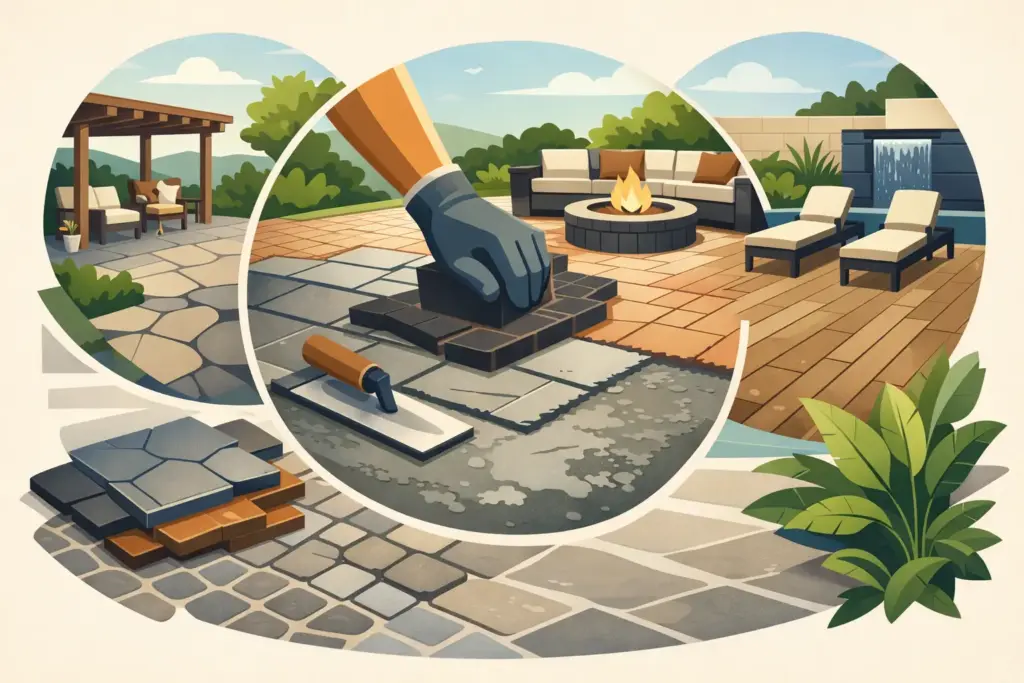
A patio can either look like an afterthought or feel like part of the home. The difference usually comes down to design, finish quality, and how well the surface holds up after a few hard seasons. If you're looking for stamped concrete patio ideas, the goal is not just picking a pattern you like. It is choosing a layout, texture, and color that make the space look finished while still performing like concrete should.
Stamped concrete works because it gives you the strength of a poured slab with the appearance of stone, brick, slate, or wood. Done well, it adds value, cleans up the yard visually, and creates a usable outdoor area without the higher cost and movement issues that can come with individual pavers. Done poorly, it can look repetitive or wear unevenly. That is why the design matters just as much as the installation.
What makes stamped concrete a smart patio choice
For many homeowners, stamped concrete hits the right balance between appearance, durability, and budget. It gives you far more design flexibility than plain concrete, but it still functions as a solid, continuous surface. That matters if you want patio furniture to sit level, foot traffic to feel stable, and maintenance to stay manageable.
It also helps when the rest of your property already includes concrete features like walkways, stairs, porches, or a driveway. A stamped patio can tie those areas together without making the yard feel patched together. The key is choosing a finish that fits the house instead of competing with it.
1. Ashlar slate for a clean, upscale look
Ashlar slate is one of the most popular stamped concrete patio ideas for a reason. It gives the patio a structured, high-end appearance without looking overly formal. The pattern has enough variation to feel natural, but it still reads clean from a distance.
This style works especially well behind newer homes, brick houses, and properties with simple landscaping. Earth tones, charcoal, and weathered gray tend to age well and hide dust better than lighter finishes. If you want something that looks refined but still practical, this is a strong choice.
2. Random stone patterns for a more natural yard
If your backyard has gardens, retaining walls, or mature trees, a random stone pattern often fits better than a tighter geometric layout. It breaks up the slab visually and gives the patio a more relaxed look.
This is one of those ideas where color selection matters even more than the stamp itself. Browns, sandy blends, and muted grays usually look more convincing than bold contrast. Too much artificial contrast can make stamped concrete look forced. A natural, blended finish usually gives a better result.
3. Brick-border stamped concrete patio ideas
A border can completely change how a patio looks. Even a simple stamped field with a contrasting brick-style border can make the slab feel custom. It frames the space, helps define the edges, and gives the patio a more finished appearance.
This approach works well when homeowners want decorative concrete without going too busy across the whole surface. A slate or stone center with a brick border is a common combination because it adds detail without overcomplicating the design. Borders also pair nicely with steps, columns, and nearby walkways.
4. Wood-plank stamped concrete for a warm look
Wood-plank stamped concrete appeals to homeowners who like the look of a deck but want a surface with less upkeep. It can bring warmth to a backyard and works especially well near pools, pergolas, and modern outdoor seating areas.
That said, this finish depends heavily on the quality of the install. If the plank lines, grain detail, or coloring are off, it can look artificial quickly. It is best for homes where a wood appearance makes sense architecturally. On the right property, it adds character. On the wrong one, it can feel out of place.
5. Large patio sections with saw-cut accents
Some patios need more than one visual zone. If you have a dining area, grill space, and seating area, a large stamped slab can benefit from saw-cut lines or subtle section breaks. This keeps the patio from feeling like one oversized sheet of concrete.
The benefit here is both visual and practical. Controlled joint placement can help manage cracking, and the layout can make the patio feel more intentional. For larger backyards, this approach often looks stronger than using several small disconnected pads.
6. Seamless texture for a quieter finish
Not every stamped patio needs a bold pattern. Seamless texture mats can create a lightly textured surface that looks more natural and understated. This is a good fit for homeowners who want decorative concrete but do not want the patio to become the center of attention.
This style also works well when the house already has strong visual elements, such as stone veneer, patterned brick, or detailed trim. In those cases, a quieter patio finish can help balance the property.
7. Multi-tone coloring for more depth
A lot of stamped concrete looks average because the color is too flat. One of the better stamped concrete patio ideas is using a base color with a release color or highlight tone that brings out the texture. That added depth makes the pattern more believable and gives the slab a richer finish.
The trade-off is that more decorative color work needs to be done carefully. Too much contrast can make the surface look busy. The best patios usually stay within a natural range and let the texture do the work.
8. A patio that connects to walkways and steps
A patio rarely stands alone. It usually connects to a back door, stairs, side yard, or another hard surface. When those transitions are planned properly, the whole exterior feels more cohesive.
Matching or coordinating the stamped finish across connected areas can be a smart move, especially if you are already replacing old concrete. A patio that ties into steps or walkways tends to look more complete than a standalone pad dropped into the yard. It can also improve flow and safety, especially where elevation changes are involved.
9. Curved edges for softer backyard lines
Most concrete patios are square or rectangular because they are straightforward to form and furnish. That makes sense in many yards. But when the landscape has softer edges, curved patio borders can make the space feel more integrated.
This works well around gardens, fire pit areas, and backyards where you want the patio to feel less rigid. The trade-off is that curved work takes more planning, and furniture layouts need to be considered early. A curve that looks great on paper still has to function in real use.
10. Stamped patios with built-in gathering zones
A good patio should support how you actually live outside. For some homeowners, that means leaving space for a table and grill. For others, it means planning around a fire feature, hot tub, or covered sitting area.
When the patio layout is built around those uses from the start, the finished space feels better and works better. Decorative concrete should not be chosen as a surface alone. It should support the full purpose of the yard. That is where experienced layout planning matters.
11. A finish that matches the house, not just the trend
The best patio ideas are usually the ones that still look right five or ten years from now. Trend-driven colors and overly decorative patterns can date a property faster than homeowners expect. A patio should complement the brick, siding, roof color, and surrounding masonry.
That often means pulling from materials already on the property. If the home has warm brick, cooler gray concrete may feel disconnected. If the house has a clean modern exterior, a rustic stamp pattern may not fit. The patio should feel like it belongs there.
How to choose the right stamped concrete patio design
Start with the house, then the yard, then the way you plan to use the space. Those three factors usually narrow the options faster than flipping through pattern samples. A patio near a traditional brick home may call for slate or stone textures in warm tones. A newer home with sharper lines may benefit from a cleaner pattern and a more restrained color palette.
You also want to think about sunlight, drainage, and maintenance. Darker patios can get hotter in full sun. Lighter colors may show dirt more easily. Textured finishes add grip, but heavy texture can make furniture placement less stable depending on the setup. There is no single best answer for every property.
Why installation quality matters as much as the design
Stamped concrete is not forgiving work. Timing, base prep, mix quality, reinforcement, grading, finishing, stamping, and sealing all affect the final result. A strong pattern on a weak slab is still a weak slab.
That is why homeowners should look beyond the stamp sample itself. The real value comes from proper excavation, a sound base, clean forming, good drainage planning, and finishing that holds up through weather and use. Decorative concrete should still perform like serious concrete work first.
At Sampson Concrete & Masonry, that is the standard approach - build it to last, and make sure it looks right when the job is done.
If you are planning a patio, the best place to start is with the space you already have and the way you want to use it. A stamped finish can add a lot, but the right one should feel solid underfoot, fit the house, and still look good long after the first season is over.