Masonry Repointing Services That Last
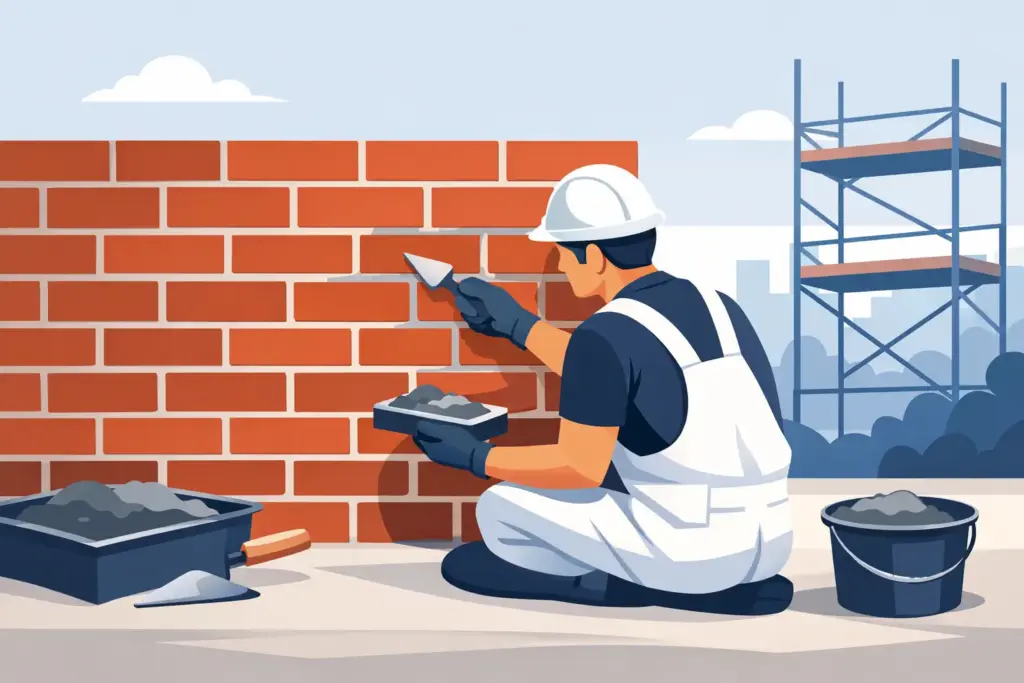
When mortar joints start crumbling, the problem is not just cosmetic. Failing joints let water into the wall, weaken the bond between bricks or block, and can turn a manageable repair into a much larger structural issue. Professional masonry repointing services address that damage at the source by removing deteriorated mortar and replacing it with new material that restores strength, weather resistance, and a clean finished look.
What masonry repointing services actually fix
Repointing is the process of cutting out damaged or loose mortar from the joints between masonry units and installing new mortar in its place. It sounds straightforward, but doing it correctly takes the right tools, the right mortar mix, and the right depth of repair. If the old mortar is not removed far enough, or if the new mortar is too hard or poorly matched, the wall can keep deteriorating.
This service is commonly needed on brick homes, chimneys, retaining walls, foundations, porches, steps, and block structures. In many cases, the bricks themselves are still in solid condition. The mortar is the weak point, especially after years of freeze-thaw cycles, moisture exposure, and normal aging. Repointing gives the wall a second life without requiring a full rebuild.
Signs you may need masonry repointing services
The earliest warning sign is usually visible mortar loss. You may notice joints that look recessed, cracked, sandy, or broken away in spots. On older homes, mortar can start falling out in small pieces. Around chimneys and exposed walls, this often shows up first near the roofline, corners, or areas that take the most weather.
Other signs are more serious. If brick starts loosening, bulging, or shifting, the mortar may no longer be doing its job. Water stains on interior walls, white mineral deposits on exterior masonry, or recurring moisture problems in a basement can also point to joint failure. Once water gets in, it does not stay neatly in one place. It spreads, freezes, expands, and creates more damage every season.
A lot of homeowners wait because the wall still looks mostly intact from a distance. That is where repairs get more expensive. Repointing done at the right time is far more cost-effective than replacing brick, rebuilding a chimney, or correcting water-related structural damage later.
Why proper repointing matters more than a quick patch
Not every mortar repair is the same. Surface patching may hide the issue for a short time, but it does not solve the underlying problem if the weak material remains in the joint. Proper repointing means removing failed mortar to the correct depth, preparing the joint properly, and packing in fresh mortar that bonds well and cures correctly.
Matching the mortar matters too. On older masonry, harder modern mortar is not always better. In fact, using the wrong mix can cause bricks to crack because the mortar no longer absorbs movement the way it should. A skilled contractor looks at the age of the wall, the masonry type, the exposure conditions, and the existing profile before deciding how to proceed.
That is one of the biggest differences between a durable repair and one that starts failing again too soon. Repointing should protect the wall, not just make it look better for a few months.
Where repointing is most often needed
Chimneys are one of the most common problem areas because they are fully exposed to rain, snow, wind, and temperature swings. Once chimney joints open up, water gets in fast and deterioration accelerates. If ignored, that can lead to loose brick, leaning sections, or interior leaks.
Foundation walls and basement masonry are another major concern. Mortar failure at the foundation level can allow moisture entry and gradually reduce structural stability. On porches, steps, and retaining walls, worn joints often show up alongside movement, cracking, and surface deterioration. These areas deal with both weather and load, so sound mortar is critical.
Even decorative brickwork around entryways, facades, and veneer features can benefit from repointing. A well-executed repair improves appearance, but more importantly, it helps preserve the life of the installation.
What to expect from a professional repointing job
A good repointing project starts with a close inspection. The goal is to determine whether the masonry needs repointing alone, partial rebuild work, or brick replacement in addition to mortar repair. Some walls are good candidates for localized repair. Others need a more comprehensive approach if movement or water damage has already spread.
Once the scope is clear, the damaged mortar is removed carefully to avoid harming the surrounding masonry units. The joints are cleaned, prepared, and refilled with mortar matched for the application. The finished joints should be compact, uniform, and shaped to shed water properly.
Clean execution matters here. Sloppy mortar smears across brick faces, inconsistent joint lines, and rushed tooling can leave a repair looking obvious in the worst way. Skilled repointing should blend with the existing work as naturally as possible while still giving the wall a refreshed, solid appearance.
The balance between appearance and structural protection
Homeowners often call for repointing because the brickwork looks worn out. That is a fair reason. Mortar joints have a big impact on curb appeal, especially on front steps, chimneys, and visible facade walls. Fresh joints can make masonry look sharper, cleaner, and better maintained.
But appearance should never come at the expense of function. The repair needs to stop moisture intrusion, stabilize the masonry, and hold up through seasonal change. The best result is both structural and visual. It protects your investment while improving how the property presents from the street.
For that reason, repointing is not a one-size-fits-all service. Joint style, mortar color, texture, and repair depth all affect the outcome. Some projects call for a close visual match to preserve an older look. Others may involve broader restoration work where consistency across the wall matters more than blending a small repair area.
Why timing makes a difference
Masonry rarely fails all at once. It usually starts small and spreads. A few open joints on a chimney can become loose brick and water damage. A little mortar loss on porch steps can turn into movement and safety concerns. Waiting too long often changes the repair from maintenance to reconstruction.
There is also a seasonal factor. Mortar installation needs the right working conditions to cure properly. Very wet, freezing, or extremely hot conditions can affect the quality of the repair if the job is not managed correctly. That is another reason to have masonry looked at early, before the damage worsens or weather narrows the repair window.
If you already see cracking, gaps, or missing mortar, it is worth having it assessed now rather than after another winter.
Choosing the right contractor for masonry repointing services
This is a detail-driven trade repair, not a general patch-and-go job. The right contractor should understand mortar compatibility, structural behavior, moisture control, and finish quality. They should also be willing to explain what they are seeing and whether repointing alone is the right fix.
Look for a contractor who handles masonry repairs regularly, not just as an occasional add-on. Experience with chimneys, foundations, brick walls, steps, and structural repairs matters because different masonry areas fail in different ways. You also want clear communication, realistic pricing, and workmanship that is backed with confidence.
For homeowners, trust comes down to one simple question: will this repair hold up? A dependable contractor should be focused on long-term performance, not the cheapest short-term fix. That is the standard Sampson Concrete & Masonry brings to repair work - practical solutions, clean results, and repairs built to last.
Protect the wall before the damage spreads
Mortar joints are easy to overlook until the wall starts showing real wear. By then, water may already be working behind the surface. Repointing is one of the smartest ways to protect masonry without jumping straight into full replacement, especially when the brick or block is still worth saving.
If your chimney, foundation, steps, or exterior brickwork is showing signs of joint failure, acting early gives you more options and better value. Strong masonry starts with sound joints, and getting that repair done properly can save you from much larger problems down the line.